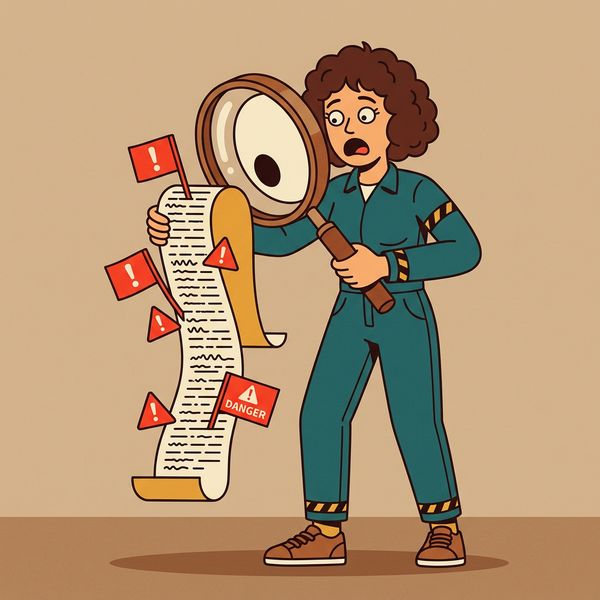
The cast that walks you across the bridge.
And the crew trying to knock it down.

Every medicine has people in its story, and rooms you don't normally get to see. In Plain Talk and The Root Room, these characters take you to those rooms, explain each step of the journey, ask the questions you'd ask, and show you the tricks used to sell claims that skipped the evidence.

Every character is fictional. None stands for a real person, company, platform or agency.

  1. Iris at a lab bench where new methods replace animal testingThe lab without a cage
  2. Nani at her desk in a review board officeThe ethics board’s office
  3. A clinical research associate opening the door to a study siteThe monitoring visit
  4. A gloved hand placing a sample rack into a frosted freezerThe sample freezer
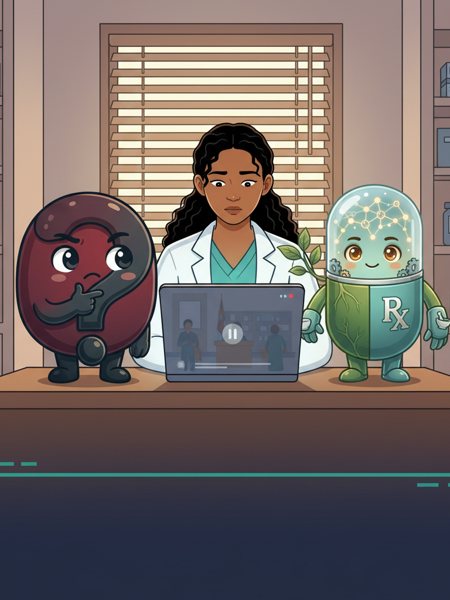
  5. Sam, a reviewer and Rooty at a desk with a laptopThe FDA review room
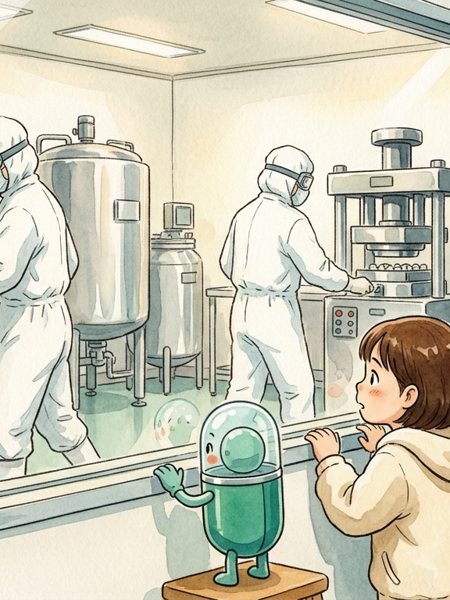
  6. Rooty and Iris watching workers in a clean roomThe manufacturing floor
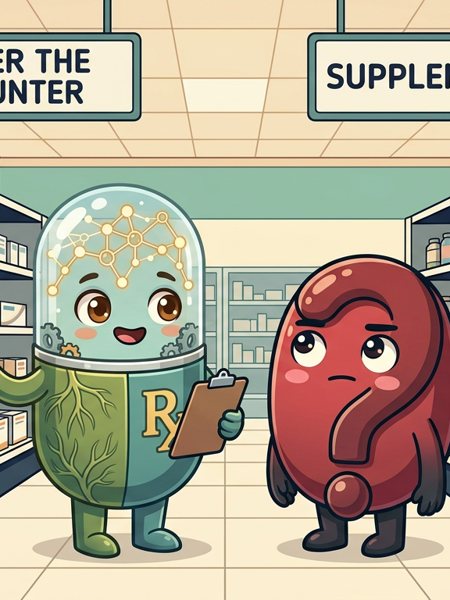
  7. Rooty and Sam in a pharmacy aisle by the supplementsThe pharmacy aisle
  8. A man at a wellness lounge holding a vialThe longevity lounge

Some of the rooms the cast has taken readers into so far, from the first lab test to the store shelf.

They explain the journey.

From the first question in a lab to the medicine in your cabinet, these three show you what happened at each step and how anyone knows it worked.

Nani Kealoha, grey-haired, in scrubs and a lei, sitting and talking with two patients
Meet Nani Kealoha, our Root to Rx tūtū (grandmother) and guide
Ask anyway.

Nani is a fictional character, inspired by a real family friend. She spent twenty-six years as a nurse and clinical research coordinator, first at the bedside, then at the research site. Now retired in Hawaii, she has seen nearly every stop on the bridge up close.

She guides all three newsletters: Plain Talk, The Open Site File and The Roots. In The Roots she answers letters from people who field hard health questions from family.


Rooty the Researcher
Brings the receipts.
Leads the science team at every stop on the bridge. When someone asks how a medicine got here, Rooty walks through what was done and how we know.
Sam the Skeptic
Sam the Skeptic
Asks how we know.
Never takes a claim on faith and never dismisses one without looking. Sam sets the bar first, then checks. The habit Root to Rx teaches.

They check the work.

The clinical research roles most people never see. Each one makes sure the record matches what really happened to the people in a trial. Behind them in the stories: Priya, the trial manager who decides what happens next, and Dev, the data manager who notices when the timestamps don't add up.


Dr. Reyes, the principal investigator
Dr. Reyes
The principal investigator.
The doctor who leads the study at Nani's site. He signs off on who can join, and he answers for the safety of every participant in it.
Mira the CRA, calm and smiling, in a blazer
Mira
The monitor (CRA).
Mira travels to study sites and checks that the record matches what really happened: the chart, the labs, the drug count. She documents what she finds. She doesn't play judge.
Asha at a wall of data from every study site
Asha
Centralized monitoring.
Asha watches the data from every site at once. When one site looks out of line, she spots it before anyone is on the ground, and sends Mira to look.
Lynn the Pharmacist at the pharmacy counter with study drug bottles, shelves behind her
Lynn
The site pharmacist.
Lynn keeps every link in the study drug's chain intact, from the temperature log to the final count. She started as a coordinator, so she knows why a record has to match what really happened.

They ask what you'd ask.

Fears, doubts and plain questions, said out loud. Watch who changes their mind, and why.

Cora
Cora
Cora says out loud the fear most people have about a medicine, without judgment, so the science team has a real question to answer. She is the reason for the OPEN card.
Debby, frowning at her phone at the kitchen table
Debby
Debby arrives doubtful every time a new fear comes up. By the end she names what evidence would change her mind, and checks it. She once passed the Broker’s messages to people she loved. She got out.
Iris, curious, kneeling on a kitchen floor with her dog
Iris
Iris asks the plain why that grown-ups skip. Her questions are the bridge to Open Label Learning, the kids’ science line.
Marisol
Marisol
Marisol is the reader. She has a phone, a family member who is sick, and a fair question nobody has answered honestly. She isn't being fooled. She's asking.
Vera Santiago in a clinic waiting room
Vera Santiago
A mother and lymphoma survivor who joined a Phase II trial. Vera answers the question most patients never say out loud: what is it actually like?

The Broker and his crew

“And who told you that?”

The Broker never argues a claim. He only widens the crack, so you stop trusting anyone and stop checking. He funds every side, because he profits when trust dies.

You never out-argue him. You starve him. Every time someone checks instead of spirals, his business shrinks.

Each crew member is one tactic, paired with the question that beats it. Most of those questions come straight from the Skeptic's Toolkit.

Play Trial by Trial: name the tactic, beat it, starve the Broker →

The Broker in silhouette at a desk, glowing screens behind him, sliding an envelope forward

The Fear Market

Sells you the alternative.

The miracle cleanse, the supplement stack, the cure they say is being hidden. Fear is the sales pitch.


Dr. Anecdote, illustrated
Dr. Anecdote
the lieutenant, never seen
“Well, it worked for me.”
The move. Swaps one vivid story for the evidence. Often wears a white coat and a title.
Beat it. Is this a story or a study? One case can be true and still not tell you what happens to most people.
Naturella, illustrated
Naturella
the origin-story defense
“It's natural, so it's safe.”
The move. Grants safety by origin. Never mentions dose or data.
Beat it. Natural is not a safety claim. Hemlock is natural. What is the evidence?
Toxin Tina, illustrated
Toxin Tina
the pronunciation panic
“You can't even pronounce it.”
The move. Treats a hard chemical name as proof of harm, and skips the only question that matters: how much.
Beat it. The dose makes the poison. How much, and compared to what?
Pseudo Sue, illustrated
Pseudo Sue
the jargon costume
“It realigns your cellular frequency.”
The move. Arranges science-sounding words into sentences that contain no knowledge.
Beat it. Define one term she just used. If the words mean nothing, the claim means nothing.
Influencer Ivy, illustrated
Influencer Ivy
the parasocial prescription
“My favorite creator swears by it.”
The move. Replaces expertise with likeability.
Beat it. Credentials over charisma. Do they show their sources, and disclose who pays them?

The Forgery Room

Fakes the evidence.

It does not invent science. It bends it. One study held up to the light while the rest sit in the dark.

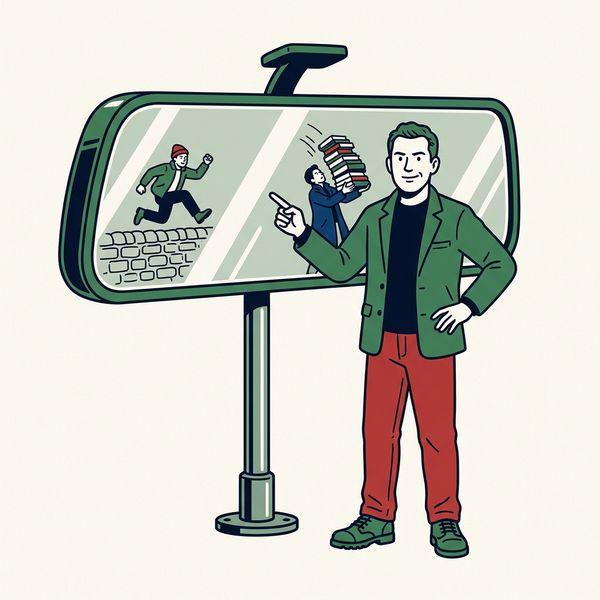
Cherry the Picker, illustrated
Cherry the Picker
the single-study special
“But this study says...”
The move. Presents one favorable study and ignores the body of evidence.
Beat it. Show me the whole body of evidence. Where is the systematic review?
Hindsight Hank, illustrated
Hindsight Hank
after, therefore because
“It happened right after.”
The move. Because something happened after something else, he insists it happened because of it.
Beat it. After is not because. Where is the control group?
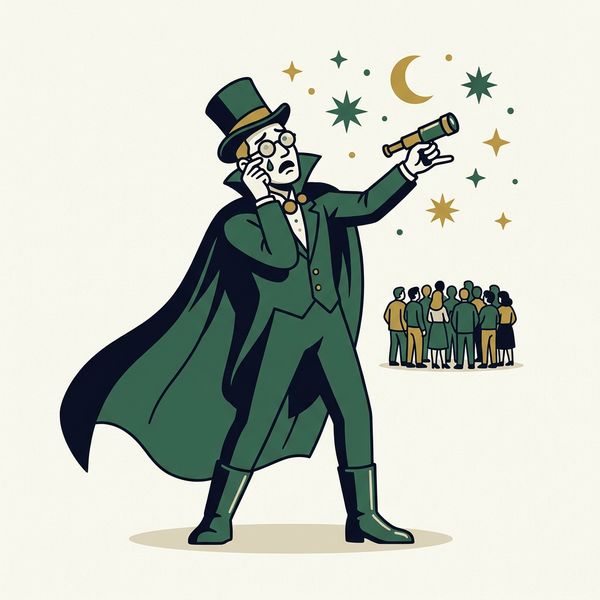
Galileo Greg, illustrated
Galileo Greg
the false martyr
“They laughed at Galileo too.”
The move. Claims that being doubted is itself proof he is right.
Beat it. Galileo had the math. Where is yours?
The Goalpost, illustrated
The Goalpost
the moving standard
“Okay, but what about...”
The move. Moves the bar every time you meet it, so no proof is ever enough.
Beat it. Name it up front: what evidence would change your mind?

The Foreign Desk

Whispers distrust.

It sells nothing. It poisons the well, so no source feels safe.

Slippery Sal, illustrated
Slippery Sal
the slope that never shows its steps
“First this, then THAT.”
The move. Slides one reasonable concern, with no steps in between, to an inevitable disaster.
Beat it. Where is the mechanism? Name step two.

The Amplifier

Spreads it all.

It does not care if a claim is true, only if it is sticky.

Echo the Algorithm, illustrated
Echo the Algorithm
the endless repeat
“If you heard it once, you'll hear it a thousand times.”
The move. Makes a claim feel true by repeating it from sources that look independent.
Beat it. Repetition is not evidence. Where did it start?
Hype the Headline, illustrated
Hype the Headline
the carnival barker
“BREAKING: Everything you know is wrong!”
The move. Turns a small or early finding into a miracle or a disaster.
Beat it. Read past the headline. What did the study find, in whom, and how many?
Bias the Brain, illustrated
Bias the Brain
He doesn't need to be paid. Bias lives in every mind and does the crew's work for free. Beat it: could I be wrong here, and what would show it?
The people the Broker uses

Every division needs an audience: Bea the Believer, who accepts a claim too fast, Dale the Denier, who won't move whatever the evidence shows, and Cal the Cynic. They aren't the enemy. They're who the crew exploits. Root to Rx aims up at the Broker, never down at the people he fools.

Illustration of an older patient, a family member and a clinician tracing routes together on a hand-drawn map spread across banyan roots, lit by a lantern

Our cast walks you across the bridge.
Real experts stand along the path.

The Root Room characters are fictional. The people who do this work are not. Open Label Media's Science Communicator Map gathers vetted scientists, clinicians and researchers who explain health science, by topic, so you can find a real person who knows the stop on the bridge you're curious about.

Explore the Science Communicator Map →

Explain a field yourself? Ask for a place on the map.

See them in action every Wednesday.

Plain Talk puts the cast to work on a real health claim each week. Free, ten minutes, no jargon.